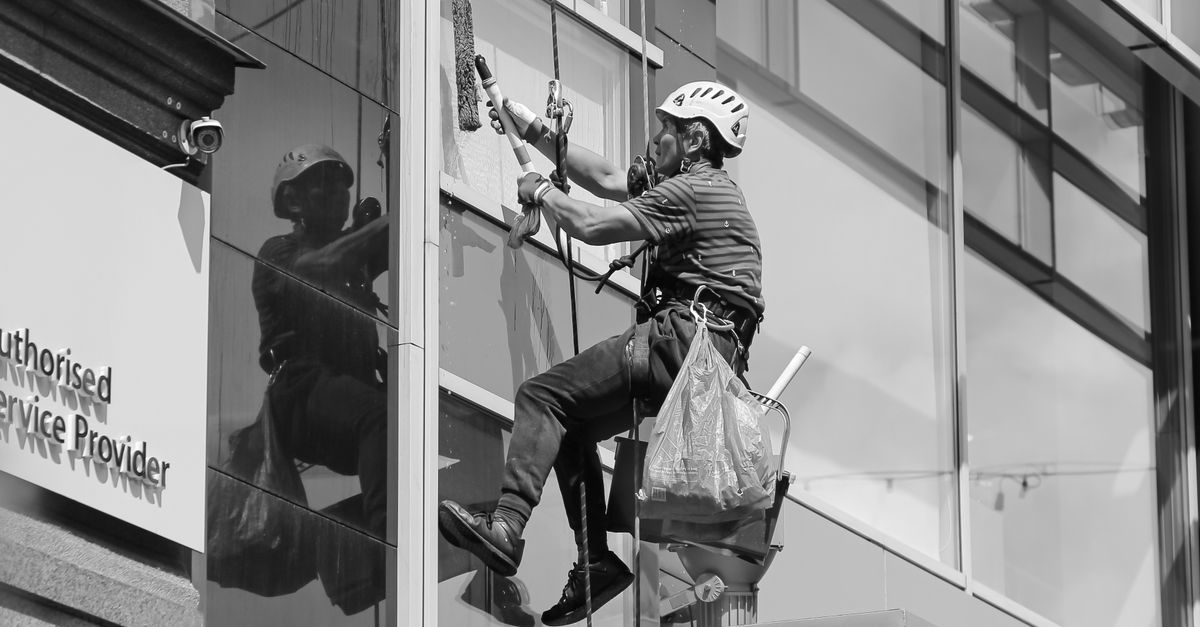
Evaluating the Effectiveness of Safety Nets in High-Rise Window Cleaning
Table Of Contents
Maintenance Requirements for Safety Nets
Regular maintenance is crucial for the longevity and effectiveness of safety nets in high-rise window cleaning. Inspections should occur frequently to identify any signs of wear or damage. These checks allow for timely repairs, preventing potential failures during operations. Maintaining the integrity of the nets not only ensures the safety of workers but also complies with safety regulations mandated for high-risk environments.
In addition to inspections, proper storage and handling of safety nets contribute significantly to their durability. When not in use, nets should be stored in a cool, dry place free from direct sunlight and moisture. This protects the materials from degradation caused by environmental factors. Training personnel on the correct procedures for storing and caring for safety nets further enhances their effectiveness during deployments, ensuring that safety remains the top priority on the job site.
Routine Inspections and Repairs
To ensure the continued effectiveness of safety nets in high-rise window cleaning, regular inspections are essential. These inspections allow for the identification of any wear and tear that may compromise the net's integrity. Factors such as weather conditions and prolonged exposure to various elements can lead to diminished performance. Establishing a schedule for routine checks aids in maintaining safety standards and upholding compliance with industry regulations.
When repairs are necessary, prompt action is crucial. Any identified issues should be addressed immediately to prevent accidents or lapses in safety. Technicians trained in safety net maintenance can carry out repairs effectively, ensuring that nets are restored to their optimal condition. Proper documentation of inspections and repairs not only enhances safety measures but also assists in accountability and record-keeping for ongoing safety management practices.
Case Studies of Safety Net Deployments
The deployment of safety nets in high-rise window cleaning projects has seen numerous successful outcomes across various Australian cities. One notable case involved a landmark building in Sydney, where a team of window cleaners used safety nets as part of their fall protection strategy. The nets not only provided a physical barrier but also bolstered the confidence of the workers, allowing them to focus on their tasks without the constant stress of potential fall hazards. Post-project evaluations indicated that the use of safety nets reduced incidents of minor falls significantly, demonstrating their effectiveness in enhancing overall safety.
Another compelling case emerged from a residential skyscraper in Melbourne, where safety nets were essential during a major cleaning and maintenance overhaul. The implementation included rigorous training sessions for workers on how to properly utilise and inspect the nets before use. Feedback from the personnel revealed that the nets not only served their intended purpose but also fostered a culture of safety awareness within the team. This positive environment contributed to improved morale, which ultimately led to more efficient work practices while prioritising safety throughout the project duration.
Success Stories from Major High-Rise Projects
Several high-rise projects have effectively implemented safety nets, showcasing their value in ensuring worker safety during window cleaning operations. One notable example is the refurbishment of a skyscraper in Sydney's central business district. The project incorporated advanced safety net systems, which not only protected personnel from falls but also minimised debris that could potentially harm people below. The team reported zero incidents during the cleaning phase, highlighting the nets' role in enhancing safety standards.
Another success story comes from a luxury residential tower in Brisbane, where safety nets were employed during the installation of exterior glass panels. This strategic decision provided a crucial layer of protection for workers and pedestrians alike. The project experienced significant time savings as the use of nets allowed for continuous work without obstructions. Feedback from the team indicated that the confidence provided by these safety measures led to improved morale and efficiency on-site.
Training for Window Cleaning Personnel
Ensuring the safety of window cleaning personnel in high-rise buildings requires comprehensive training that covers both practical skills and safety protocols. Each team member must be proficient in operating equipment such as harnesses, ropes, and mechanical lifts. Regular training sessions should include simulated scenarios to help workers respond effectively in emergency situations. Familiarity with the specific safety nets used in their operations enables them to understand their importance and the correct procedures for deployment.
Incorporating a safety culture within window cleaning teams enhances awareness and promotes proactive behaviours. Encouragement of open communication regarding safety concerns allows workers to share insights and experiences. Additionally, ongoing education on the latest safety regulations and technological advancements in equipment can significantly contribute to maintaining high safety standards. Regular assessments of skills and knowledge ensure that personnel remain equipped to manage risks associated with high-rise window cleaning effectively.
Best Practices for Safety Awareness
Ensuring safety awareness among window cleaning personnel is crucial for maintaining a secure working environment. Regular training sessions should be instituted, with a focus on understanding the equipment used, including safety nets, harnesses, and ropes. Workers need to be familiar with the potential hazards associated with high-rise cleaning, equipped with the knowledge to identify risks before they escalate. It’s essential to foster a culture where safety protocols are prioritised and openly discussed, allowing team members to voice concerns without hesitation.
Implementing routine drills can significantly enhance preparedness in emergency scenarios, ensuring that all personnel know the proper procedures. Visual reminders, such as safety signages placed in prominent areas, serve to reinforce safety messages. An open feedback loop encourages ongoing dialogue about safety practices, enabling continual improvement. Managers play a pivotal role, leading by example and consistently emphasising the importance of vigilance in maintaining safety standards.
FAQS
What are safety nets and how do they work in high-rise window cleaning?
Safety nets are protective devices designed to catch workers in case of a fall. In high-rise window cleaning, they are typically installed below the work area to provide a safety barrier and minimise the risk of injury.
How often should safety nets be inspected and maintained?
Safety nets should be inspected regularly, ideally before each use. Routine inspections ensure that nets are free from damage and comply with safety standards, while maintenance should be performed as needed to repair any wear and tear.
What are some successful examples of safety net deployments in high-rise projects?
Several major high-rise projects have successfully integrated safety nets, showcasing their effectiveness in preventing injuries. Case studies highlight instances where safety nets have significantly reduced fall incidents during window cleaning operations.
What type of training do window cleaning personnel receive regarding safety nets?
Window cleaning personnel typically undergo training that covers the proper use of safety nets, including installation procedures, inspection protocols, and emergency response actions. This training is crucial for ensuring worker safety.
What best practices should be followed for safety awareness during high-rise window cleaning?
Best practices include conducting thorough safety briefings, ensuring all personnel are equipped with appropriate safety gear, regularly reviewing safety protocols, and encouraging open communication about safety concerns among team members.
Related Links
Essential Fall Protection Equipment for Window Cleaning TechniciansBest Practices for Harness Usage in Window Cleaning Operations
Techniques for Securely Anchoring Equipment During Window Cleaning
Navigating Safety Compliance in Commercial Window Cleaning Projects
Comprehensive Safety Training Programs for Window Cleaning Staff
Innovative Fall Arrest Systems for High-Rise Window Cleaning Professionals