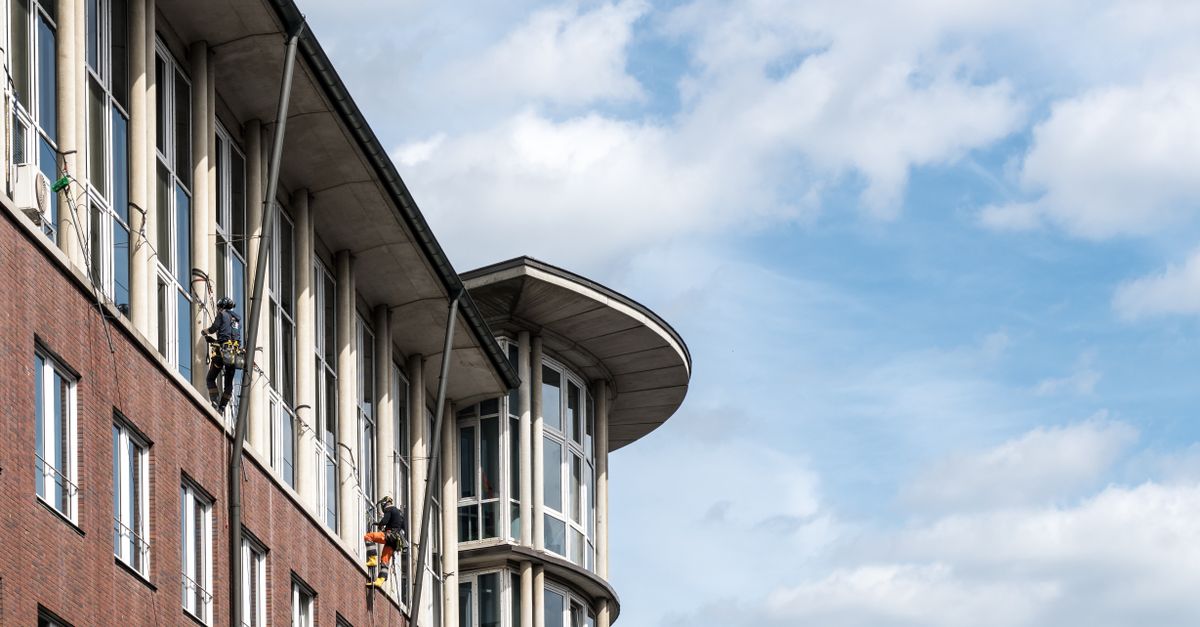
Innovative Fall Arrest Systems for High-Rise Window Cleaning Professionals
Table Of Contents
Installation Considerations for Fall Arrest Systems
When selecting a fall arrest system for high-rise window cleaning, it is crucial to evaluate the specific architectural features of the building. Different materials and designs can significantly impact the installation process. Compliance with local regulations and safety standards should also be a priority. Proper assessment ensures that the system will integrate seamlessly without compromising the building’s structural integrity.
Additionally, the expertise of the installation team is paramount to the effectiveness of the system. Qualified professionals should conduct the installation to guarantee that all components are fitted correctly and securely. Attention to detail during this stage can prevent malfunctions and enhance the overall safety of window cleaning operations. Regular collaboration between building managers and fall protection specialists can facilitate effective installation and adherence to best practices.
Assessing Building Structures and Requirements
Window cleaning professionals must thoroughly evaluate the building's architectural design before installing fall arrest systems. Factors such as the height of the structure, surface materials, and roof dimensions play a crucial role in determining the appropriate system. It's essential to assess potential anchor points and adjacent structures, ensuring that they provide adequate support for fall protection equipment. Conducting a detailed risk assessment helps identify any unique challenges posed by the building’s design, allowing for tailored solutions that comply with safety regulations.
In addition to physical assessments, regulatory requirements must also be taken into account. Local safety codes can dictate the specifications for fall arrest systems, including load capacities and installation techniques. Professionals should stay informed about relevant legislation and industry standards to ensure compliance. Documenting the assessment findings and regulatory requirements creates a reliable reference for future inspections and maintenance, ultimately enhancing the safety of all personnel involved in high-rise window cleaning operations.
Maintenance and Inspection of Fall Arrest Equipment
Regular maintenance and inspection of fall arrest equipment is essential to ensure the safety of window cleaning professionals. All equipment should be checked for signs of wear and tear, including harnesses, lanyards, and anchors. A thorough visual examination can reveal issues such as fraying or cuts in the fabric, which can significantly compromise the equipment’s integrity. Additionally, mechanical components like carabiners and pulleys should be scrutinised for proper functioning and any signs of corrosion that could weaken their performance.
Scheduled inspections are not only a regulatory requirement but also a proactive approach to safety management. It is important to adhere to a defined maintenance schedule that aligns with the manufacturer's recommendations and any relevant industry standards. Keeping detailed records of inspections and maintenance activities aids in accountability and provides valuable data to inform future safety measures. Regular training sessions on equipment use and care can amplify the effectiveness of these safety systems, ensuring that every team member is knowledgeable about the proper procedures and potential hazards.
Essential Practices for Optimal Performance
Regular maintenance routines are crucial to ensure fall arrest systems perform optimally. This includes thorough inspections of all components, such as harnesses, lanyards, and anchor points. Wear and tear can significantly compromise safety, so identifying any signs of damage or deterioration early is essential. Equipment should be cleaned and stored properly to extend its lifespan. Following the manufacturer's guidelines regarding maintenance schedules can enhance performance and reliability.
Training sessions play a significant role in maximising the effectiveness of fall arrest systems. These sessions should cover the correct use of equipment, emergency response procedures, and routine inspections. Practising scenarios can help professionals familiarise themselves with protocols while reinforcing safe habits. Incorporating safety drills regularly will ensure that all team members remain aware of the operational standards expected in high-risk environments. Consistent focus on these practices will create a culture of safety that is vital for window cleaning professionals.
Training for Window Cleaning Professionals
Proper training is essential for window cleaning professionals to ensure safety while working at heights. Courses should include familiarization with fall arrest systems, as well as hands-on training in using the equipment correctly. Professionals need to understand the mechanics of their gear, perform safety checks, and recognise potential hazards on-site. Additionally, knowledge of emergency protocols and rescue plans contributes to a well-rounded training programme.
Continual skill development plays a critical role in maintaining a culture of safety within the industry. Regular refresher courses help professionals stay updated with the latest techniques and equipment advancements. Engaging in scenario-based training can also prepare workers for unexpected situations they may encounter during their job. This comprehensive approach to training not only enhances individual competency but also fosters team cohesion and safety awareness, ultimately reducing the risk of accidents.
Importance of Skill Development in Safety Protocols
The ability to navigate the complexities of high-rise window cleaning relies heavily on rigorous training and skill development. Professionals must be well-versed in the use of fall arrest systems and understand the specific procedures required to operate them effectively. Skill development goes beyond mere familiarity with equipment; it encompasses a comprehensive understanding of safety protocols that enable workers to respond confidently to emergencies.
Regular training sessions help to reinforce knowledge and foster a culture of safety within the team. Engaging in simulated scenarios prepares window cleaners for potential challenges they may face while working at heights. This proactive approach ensures that safety remains a priority and significantly reduces the risk of accidents, ultimately contributing to a safer working environment for all involved.
FAQS
What are fall arrest systems and why are they important for window cleaning professionals?
Fall arrest systems are safety devices designed to catch individuals falling from heights, preventing injury or fatality. They are essential for window cleaning professionals working on high-rise buildings, as they ensure safety while performing their tasks at elevated locations.
How do I assess the suitability of a building structure for installing a fall arrest system?
Assessing a building's structure involves evaluating its design, materials, and anchorage points. It’s important to consult with a structural engineer to ensure that the building can support the fall arrest system and comply with safety regulations.
What are the key maintenance practices for fall arrest equipment?
Key maintenance practices include regular inspections for wear and tear, ensuring all hardware is secure, cleaning equipment to remove dirt and contaminants, and replacing any worn or damaged components. It’s essential to follow the manufacturer's guidelines for specific maintenance requirements.
How often should fall arrest systems be inspected?
Fall arrest systems should be inspected regularly, typically at least once every six months, or more frequently if they are used often or subjected to harsh conditions. Additionally, inspections should be performed after any incident or significant impact.
Why is training important for window cleaning professionals using fall arrest systems?
Training is critical as it equips window cleaning professionals with the necessary skills to use fall arrest systems effectively, understand safety protocols, and respond to emergencies. Well-trained personnel are more likely to adhere to safety practices, reducing the risk of accidents.
Related Links
Comprehensive Safety Training Programs for Window Cleaning StaffUnderstanding the Role of Safety Railings in Window Cleaning Safety
Techniques for Securely Anchoring Equipment During Window Cleaning
Navigating Safety Compliance in Commercial Window Cleaning Projects
The Importance of Personal Protective Equipment in Window Cleaning
Conducting Risk Assessments for High-Level Window Cleaning
Essential Fall Protection Equipment for Window Cleaning Technicians