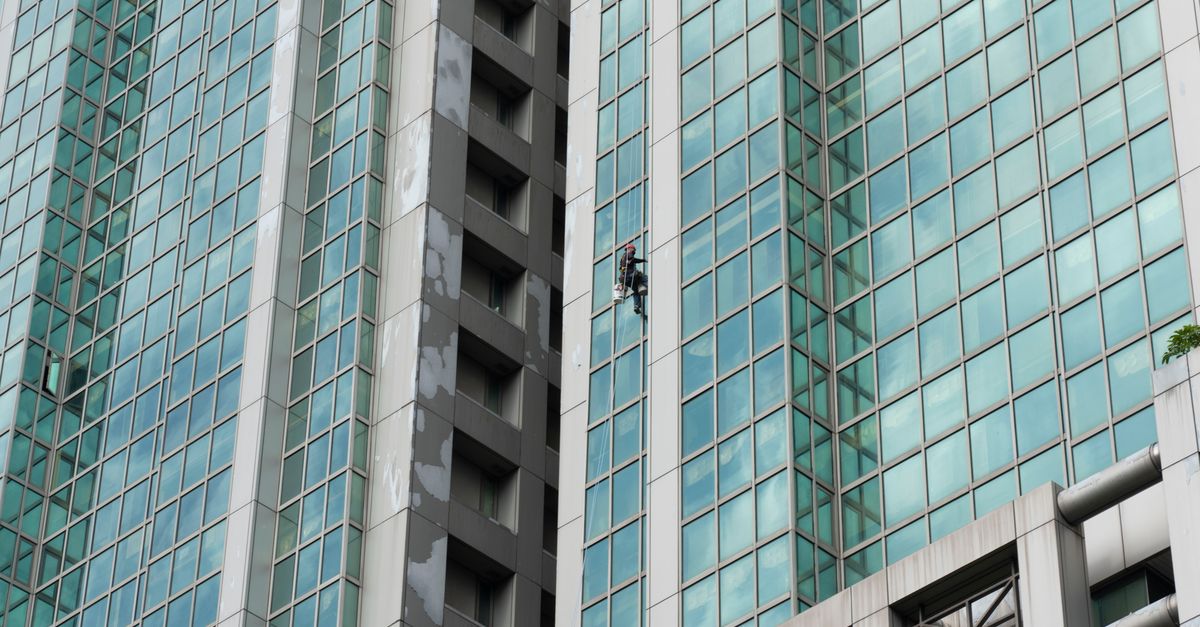
Understanding Weather Impact on High-Rise Window Cleaning Schedules
Table Of Contents
The Role of Local Climate in Planning
Understanding local climate patterns is essential for establishing effective cleaning schedules for high-rise buildings. Different regions experience varying weather conditions throughout the year. In some areas, a subtropical climate may lead to frequent summer thunderstorms, while coastal regions might experience damp and windy conditions that can inhibit outdoor activities. Identifying these unique patterns helps cleaning companies determine the most favourable months for scheduling maintenance.
The local climate not only affects the timing of cleaning efforts but also influences the techniques and materials used during the process. In locations with high humidity, for instance, the likelihood of mould growth on windows necessitates more frequent cleaning activities. Conversely, arid climates may require less frequent services, focusing instead on ensuring that dust and debris do not accumulate. Such considerations allow services to tailor their operations to effectively manage the challenges posed by their specific environments.
Adapting Schedules to Regional Weather Trends
High-rise window cleaning services must consider the specific climate characteristics of their region. In Australia, states vary widely in terms of rainfall, temperature, and seasonal changes. Those in tropical areas might face intense wet seasons that can disrupt planned cleaning operations, while regions with a more temperate climate may present fewer disturbances. Understanding these factors allows cleaning companies to create schedules that maximise efficiency while ensuring safety.
Forecasting plays a crucial role in adjusting cleaning schedules. By analysing long-term weather trends, businesses can predict busy and slow seasons. Some regions may experience prolonged dry spells, ideal for outdoor work, while southern areas might have significant rainfall that necessitates rescheduling. Keeping a flexible approach to planning, with a keen eye on local forecasts, helps optimise operations and maintain client satisfaction.
The Impact of Extreme Weather Events
Extreme weather events pose significant challenges for high-rise window cleaning operations. High winds, torrential rain, and severe storms can not only halt cleaning schedules but also create dangerous conditions for workers. Safety becomes a top priority when faced with inclement weather. Additional risks may arise from the potential for equipment failure or the hazards linked to wet or slippery surfaces.
Furthermore, the unpredictability of such events makes it difficult to create consistent cleaning schedules. Companies must remain flexible and responsive, often adapting their plans on short notice. Reliable communication between teams and clients is essential to manage expectations during adverse weather conditions. Building management must also consider risk assessments to ensure that cleaning is postponed or adjusted when extreme conditions are forecasted.
Preparing for Unexpected Weather Disruptions
High-rise window cleaning operations must account for the unpredictability of weather conditions. Sudden storms, strong winds, or rapid temperature changes can significantly alter plans. Cleaning crews rely on detailed forecasts, but these do not always capture the sudden shifts that can occur. Preparing for these disruptions means having flexible scheduling and a robust communication plan in place to quickly inform teams about necessary adjustments.
Training staff to recognise weather changes is equally vital. Workers should be equipped with knowledge on safety protocols that apply during extreme weather situations. Having a clear evacuation plan and regular safety drills can ensure that crew members are ready to respond efficiently. This preparedness not only protects the team but also minimises potential damage to the building and equipment during unforeseen weather challenges.
Technology and Weather Monitoring
Advanced technology plays a pivotal role in ensuring effective weather monitoring for window cleaning schedules. Sophisticated weather prediction models and radar systems provide reliable data on precipitation, wind speeds, and temperature fluctuations. Access to real-time weather updates allows cleaning companies to adjust their operations accordingly. This adaptability not only enhances safety for workers but also maximises efficiency during favourable conditions.
Moreover, the integration of mobile applications has revolutionised the way cleaning teams access weather information. These tools offer convenient alerts regarding changes in local weather patterns and forecasts. Such technology enables quick decision-making regarding rescheduling or proceeding with cleaning tasks. As a result, companies can optimise their workflows while maintaining high safety standards for their employees.
Tools for Accurate Weather Forecasting
Accurate weather forecasting relies heavily on a range of tools designed to provide timely and precise information. Traditional methods include weather balloons and radar systems that track atmospheric conditions. These tools are complemented by advanced satellite imagery, allowing meteorologists to capture large-scale weather patterns and movements. With the advent of technology, data collection has become more sophisticated, incorporating inputs from various sources such as ground stations and onboard sensors.
In addition to these traditional tools, several apps and online platforms offer real-time weather updates tailored to specific locations. Such services often integrate data from multiple forecasting agencies, providing users with nuanced insights. The use of machine learning algorithms further enhances predictive capabilities, allowing for more accurate short-term forecasts. Consequently, window cleaning companies can base their schedules on data that reflect real-time shifts in weather patterns, ensuring safer and more efficient operations.
FAQS
Why is local climate important for planning high-rise window cleaning schedules?
Local climate plays a crucial role in determining the best times for window cleaning, as factors such as average temperatures, rainfall patterns, and seasonal changes can significantly affect both the safety and effectiveness of the cleaning process.
How can window cleaning companies adapt their schedules to regional weather trends?
Window cleaning companies can analyse historical weather data to identify patterns specific to their region, allowing them to schedule cleanings during periods of favourable weather while avoiding times prone to rain, high winds, or extreme temperatures.
What are extreme weather events, and how do they impact window cleaning?
Extreme weather events, such as storms, high winds, or heatwaves, can pose risks to window cleaning operations, potentially causing delays or cancellations. These conditions can also endanger the safety of workers and may necessitate rescheduling to ensure safety and compliance with regulations.
How can window cleaning companies prepare for unexpected weather disruptions?
Companies can have contingency plans in place, including flexible scheduling options and a reliable communication system to inform clients of any changes. Additionally, investing in real-time weather monitoring tools can help them anticipate and respond to sudden weather changes.
What types of technology are used for accurate weather forecasting in window cleaning?
Various tools and technologies, including advanced weather apps, radar systems, and meteorological services, can provide accurate forecasts. These tools help window cleaning companies make informed decisions about scheduling and managing their services efficiently.
Related Links
Training Techniques for High-Rise Window Cleaning ProfessionalsInnovations in Technology for High-Rise Window Cleaning
Case Studies of Successful High-Rise Window Cleaning Projects
Maintenance Tips for Equipment Used in High-Rise Window Cleaning
Ensuring Quality Control in High-Rise Window Cleaning Services
The Role of Rope Access in High-Rise Window Cleaning
Selecting the Right Equipment for High-Rise Window Cleaning Tasks
Advanced Techniques for Efficient High-Rise Window Cleaning
Best Practices for Safe High-Rise Window Cleaning in Perth