Understanding the Legal Framework for Occupational Health and Safety in Window Cleaning
Table Of Contents
Training and Competency Standards
Training for window cleaners is essential to ensure that they possess the necessary skills and knowledge to perform their duties safely. Competency standards are established to provide a framework for assessing their abilities in various aspects of the job, including the use of equipment, risk assessment, and emergency procedures. These standards often encompass both theoretical instruction and hands-on training, ensuring that window cleaners can confidently navigate the challenges of their work environment.
Employers have a responsibility to provide appropriate training and ongoing education for their staff. This not only fosters a culture of safety but also helps to reduce the likelihood of accidents and injuries. Regular refresher courses can help maintain high standards of competency among workers, enabling them to stay updated with new techniques and safety regulations. Adhering to these training and competency requirements ultimately benefits not only the workers but also the clients and the overall industry.
Importance of Safety Training for Window Cleaners
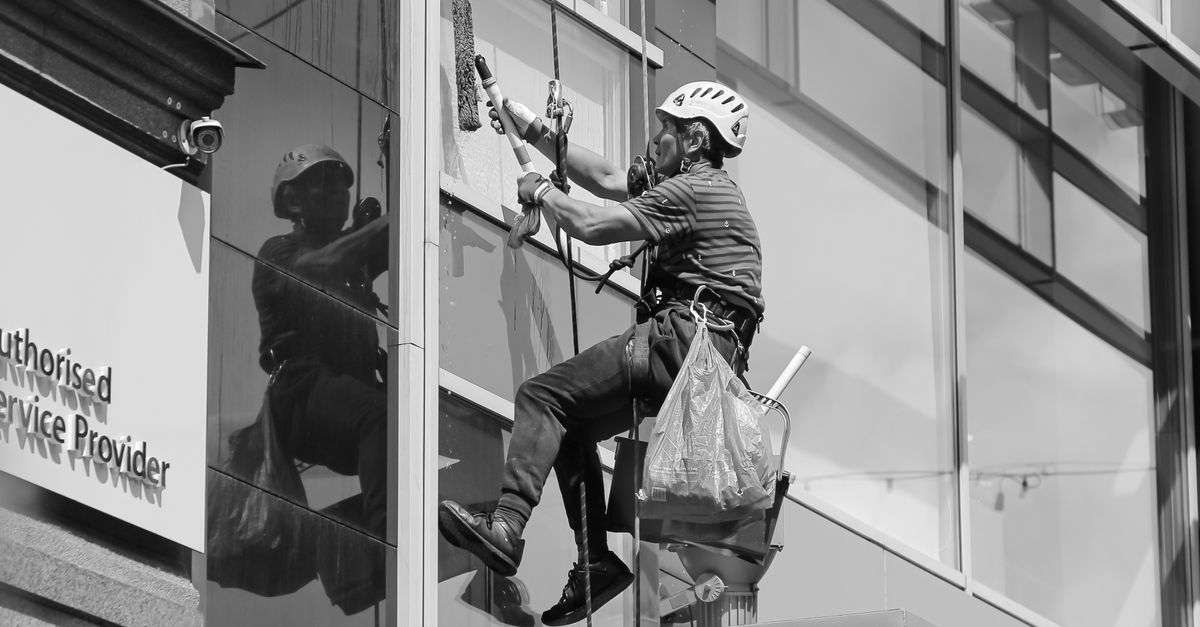
Safety training plays a critical role in the window cleaning industry due to the inherent risks associated with working at heights. Proper training equips workers with the skills and knowledge necessary to operate safely, utilising equipment correctly and understanding the hazards they may encounter. By familiarising themselves with the relevant safety protocols, window cleaners can significantly reduce the likelihood of accidents and injuries, thereby enhancing their overall wellbeing and productivity.
Beyond personal safety, comprehensive training programmes foster a culture of safety within organisations. When employees prioritise safety practices, they contribute to a safer workplace environment that benefits everyone. This proactive approach not only complies with legal obligations but also ensures that businesses maintain their reputation and operational efficiency. Emphasising the importance of safety training not only protects individual workers but strengthens the industry as a whole.
Regulatory Bodies and Compliance
In Australia, the regulatory landscape for occupational health and safety in window cleaning is shaped by various national and state authorities. Safe Work Australia plays a pivotal role in developing the model Work Health and Safety (WHS) laws, which provide a framework intended to ensure the health and safety of workers across different sectors. Each state and territory also has its own regulatory bodies responsible for enforcement, guidance, and compliance with local legislative requirements. These organisations collaborate to promote safe practices, conduct inspections, and ensure that employers adhere to established safety standards.
Compliance with these regulations is not simply a matter of following the law; it reflects a commitment to worker health and safety. Window cleaning companies must implement safety management systems that align with the requirements set out by relevant authorities. Regular audits, employee training, and clear reporting mechanisms are essential components of an effective compliance strategy. By fostering a culture of safety and accountability, businesses can mitigate risks and promote safer working environments for their employees.
Role of Safe Work Australia and State Authorities
Safe Work Australia plays a critical role in promoting and improving occupational health and safety across various industries, including window cleaning. The agency develops national policies and guidelines that set the benchmark for workplace safety standards. By working in collaboration with industry stakeholders, it aims to establish a consistent safety framework that protects workers from hazards associated with their roles. Training requirements and competency standards are often developed through this collaboration, ensuring that window cleaners possess the necessary skills and knowledge to perform their tasks safely.
State authorities also contribute significantly to maintaining safety within the window cleaning sector. Each state and territory has its own regulatory body responsible for enforcing local health and safety laws. These agencies ensure compliance with the established regulations, conduct inspections, and investigate incidents or breaches of safety standards. Together with Safe Work Australia, these state authorities help to create a safer working environment for window cleaners by providing resources, conducting training programs, and promoting awareness around best practices in occupational health and safety.
Incident Reporting and Investigation Procedures
Workplace incidents, regardless of their nature, necessitate prompt reporting to ensure proper handling and investigation. In the case of window cleaning, these incidents can range from minor accidents to serious injuries. Employees must be trained to recognise what constitutes an incident and the importance of reporting it immediately. Clear reporting protocols should be in place, covering who to notify and the required documentation. This not only aids in the swift resolution of the issue but also helps track patterns that might indicate systemic safety concerns.
Once an incident is reported, thorough investigation procedures must follow. This process typically involves gathering evidence, interviewing witnesses, and analysing the circumstances surrounding the event. Regulatory requirements often mandate that these investigations be conducted by trained personnel to ensure impartiality and thoroughness. Findings from these investigations can lead to revised safety protocols and enhanced training, ultimately aiming to prevent future occurrences. Implementing changes based on investigation outcomes reinforces a culture of safety within the workplace.
Steps to Take Following a Workplace Incident
In the event of a workplace incident, it is paramount for window cleaning personnel to ensure immediate medical attention for any injured parties. First aid should be administered if necessary, and emergency services must be contacted if the situation warrants further medical intervention. Following this, the site should be secured to prevent any further harm, while a clear path for emergency services is maintained.
After addressing immediate health and safety concerns, it is essential to report the incident to the relevant authorities. This often includes notifying the employer and completing necessary incident report forms accurately and thoroughly. Gathering details such as witnesses, photographs of the scene, and any machinery involved can provide valuable information for subsequent investigations. Proper documentation not only assists in compliance with safety regulations but also aids in identifying areas for improvement in workplace safety practices.
FAQS
What are the key components of safety training for window cleaners?
Key components of safety training for window cleaners include understanding fall protection measures, proper use of personal protective equipment (PPE), safe operation of cleaning equipment, hazard identification, and emergency response procedures.
How do regulatory bodies influence safety standards in window cleaning?
Regulatory bodies such as Safe Work Australia and State Authorities establish guidelines and enforce compliance with occupational health and safety laws, ensuring that window cleaning practices meet safety standards and protect workers' health.
What should I do if an incident occurs while window cleaning?
If an incident occurs, you should ensure the safety of all individuals involved, report the incident to your supervisor, document the details, and follow your organisation's incident reporting and investigation procedures.
How often should window cleaners undergo safety training?
Window cleaners should undergo safety training regularly, typically at least annually, or whenever there are changes in procedures, equipment, or regulations that may affect safety practices.
What are the consequences of non-compliance with safety regulations in window cleaning?
Non-compliance with safety regulations can result in legal penalties, fines, increased liability for workplace incidents, and potentially severe injuries or fatalities, underscoring the importance of adhering to established safety practices.
Related Links
Key Health and Safety Regulations for Commercial Window Cleaning Services in PerthCreating a Culture of Safety in the Commercial Window Cleaning Sector
The Importance of Personal Protective Equipment in Window Cleaning Safety
Training Requirements for Occupational Health and Safety in Window Cleaning
Managing Hazards in Commercial Window Cleaning Environments
Risk Assessment Protocols for Occupational Safety in Window Cleaning