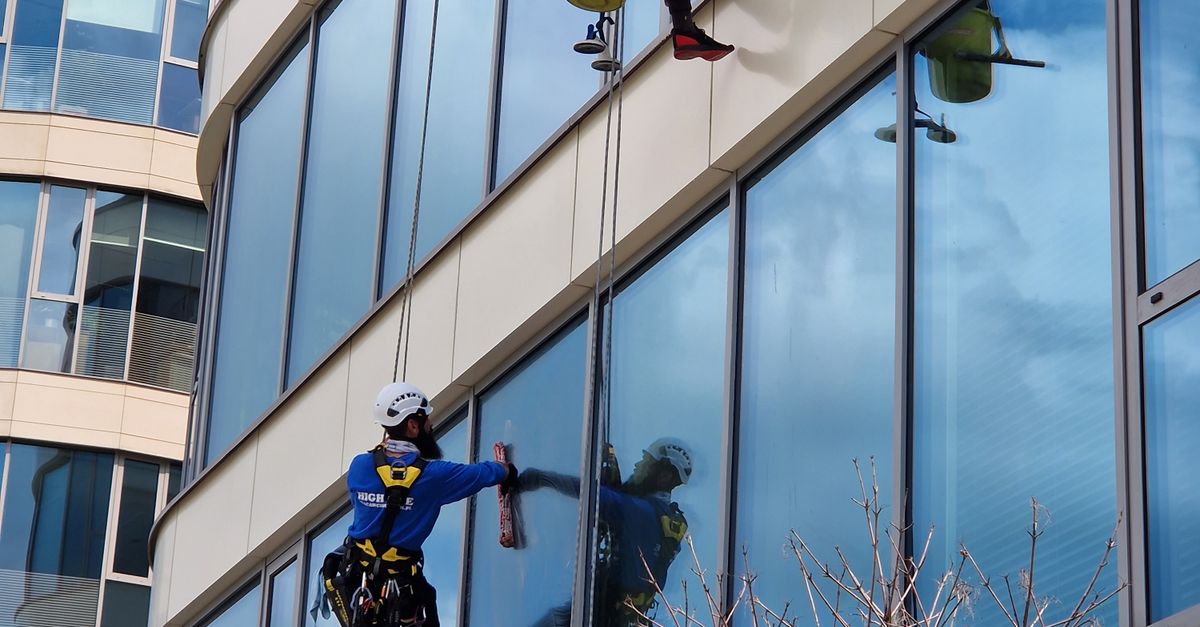
Training Employees on Sustainable Cleaning Techniques and Products
Table Of Contents
Continuous Assessment and Improvement
Regular evaluation of training programs is essential to ensure that employees grasp sustainable cleaning techniques and products. This process involves setting specific performance indicators and benchmarks that reflect the desired outcomes of the training. Gathering data through assessments, monitoring employee practices, and obtaining feedback can highlight areas where improvement is necessary. Additionally, the use of surveys can provide valuable insights into how employees feel about the training, identifying gaps and successes alike.
Incorporating a culture of continuous improvement will motivate employees to embrace sustainable practices. Regularly updating training materials to reflect new advancements in cleaning technology or products demonstrates a commitment to sustainability. A feedback loop encourages ongoing dialogue between management and staff, fostering a collaborative environment where suggestions for improvements can be shared. This proactive approach not only strengthens employee engagement but also enhances the overall effectiveness of sustainable cleaning practices within the organisation.
Evaluating Training Effectiveness
Assessing the success of training programmes is vital for ensuring that sustainable cleaning techniques are being effectively implemented. A range of methods can be employed to evaluate this effectiveness, including pre- and post-training assessments. These assessments help determine the knowledge gained by employees. Observations in the field, combined with performance reviews, provide additional insights into how these new skills translate into daily practices.
Feedback from participants serves as another critical component of this evaluation process. Surveys and interviews can reveal areas of the training that resonated well with employees and aspects needing improvement. It is essential to create an open environment where staff feel comfortable providing honest feedback. This input can guide future training sessions, ensuring they remain relevant and impactful. Regularly revisiting and refining the training content based on this feedback builds a culture of continuous improvement.
Employee Engagement in Sustainable Practices
Fostering employee engagement in sustainable practices relies on creating a supportive culture that encourages staff participation and ownership of environmental initiatives. Such an environment allows employees to understand the importance of their actions in promoting sustainability. Providing opportunities for hands-on experience with green cleaning products and techniques further enhances their connection to these practices. Training sessions that facilitate discussions on sustainable outcomes can also empower employees to share their insights and experiences, reinforcing a sense of community and shared responsibility.
Effective communication plays a vital role in increasing engagement levels. Regular updates on sustainability goals and achievements can motivate employees to contribute actively. Recognition programs that celebrate individual and team efforts in adopting sustainable practices can lead to a more invested workforce. Incorporating employee feedback into sustainability strategies ensures that their perspectives are valued, creating a more collaborative approach to achieving environmental objectives. This inclusivity fosters a strong commitment to sustainability across the organisation.
Encouraging Participation and Feedback
Creating an environment where employees feel comfortable sharing their thoughts can significantly enhance training initiatives. Open communication fosters a culture of collaboration and respect. Providing multiple channels for feedback, including anonymous surveys and informal discussions, encourages team members to voice their opinions. Regularly scheduled meetings can facilitate these conversations, allowing employees to express their concerns or highlight successful practices they have observed.
Active participation is crucial for reinforcing sustainable practices among staff. Training sessions should incorporate interactive elements that engage employees, making the learning process enjoyable and memorable. Incorporating gamification techniques can motivate employees to take part in sustainability initiatives actively. Recognising contributions publicly can also boost morale and encourage ongoing involvement, creating a sense of shared responsibility for the organisation's environmental goals.
Overcoming Common Challenges
Implementing sustainable cleaning practices often encounters several barriers. One significant challenge is the resistance from employees accustomed to traditional cleaning methods. This reluctance can stem from a lack of awareness about the benefits of sustainable practices or fear of change. Providing comprehensive education about the advantages of eco-friendly products and techniques can help ease these concerns.
Another issue is the availability and cost of sustainable cleaning materials. While some organisations may wish to switch to greener solutions, budget constraints can hinder their efforts. Employers must assess their current cleaning expenditures and identify areas where sustainable options can be integrated without compromising quality. Promoting small, incremental changes may also encourage broader acceptance among staff members, fostering a culture of sustainability within the workplace.
Addressing Resistance to Change
Resistance to change is a common hurdle when implementing new sustainable cleaning techniques in the workplace. Employees might feel uncertain about the necessity of altering their established routines. Some may perceive these changes as additional burdens rather than opportunities for improvement. Ensuring clear communication about the benefits of these techniques can help alleviate concerns. Providing comprehensive information about how sustainable practices contribute to both personal and organisational goals fosters a positive outlook towards the transition.
Another effective strategy to mitigate resistance involves involving employees in the decision-making process. When individuals participate in discussions about new cleaning products and methods, they are more likely to feel invested in the changes. Tailoring training sessions to address specific worries or misconceptions can also build trust between the management and staff. A supportive environment where feedback is encouraged will empower employees to voice any concerns while reinforcing their role in the sustainable initiative.
FAQS
What are sustainable cleaning techniques?
Sustainable cleaning techniques involve using methods and products that are environmentally friendly, reduce waste, and minimise the impact on human health while maintaining effective cleaning standards.
How can we evaluate the effectiveness of training on sustainable cleaning practices?
The effectiveness of training can be evaluated through assessments, feedback from employees, observation of cleaning practices, and measuring improvements in sustainability metrics, such as reduced chemical usage or increased recycling rates.
What strategies can be employed to engage employees in sustainable cleaning practices?
Strategies to engage employees include providing hands-on training, encouraging open communication for feedback, recognising and rewarding sustainable behaviour, and involving employees in the decision-making process regarding cleaning products and techniques.
What are some common challenges faced when implementing sustainable cleaning training?
Common challenges include resistance to change from employees, lack of resources or support from management, inadequate training materials, and the perception that sustainable products are less effective than traditional options.
How can we address resistance to change among employees regarding sustainable cleaning practices?
Addressing resistance can be achieved by clearly communicating the benefits of sustainable practices, providing thorough training, involving employees in discussions about the changes, and demonstrating the effectiveness of sustainable cleaning products through data and real-life examples.
Related Links
Customer Awareness: Promoting Eco-friendly Window Cleaning MethodsBest Practices for Implementing Eco-friendly Cleaning Solutions in Perth
Assessing the Carbon Footprint of Window Cleaning Practices in Perth
Evaluating the Benefits of Glass Recycling in the Window Cleaning Industry
Compliance with Environmental Regulations in Commercial Window Cleaning
Innovations in Green Cleaning Technologies for Window Maintenance
The Role of Water Conservation in Sustainable Window Cleaning Operations
Utilising Biodegradable Products in Commercial Window Cleaning