Risk Assessment and Insurance Needs for High-Rise Window Cleaning
Table Of Contents
Risk Mitigation Strategies
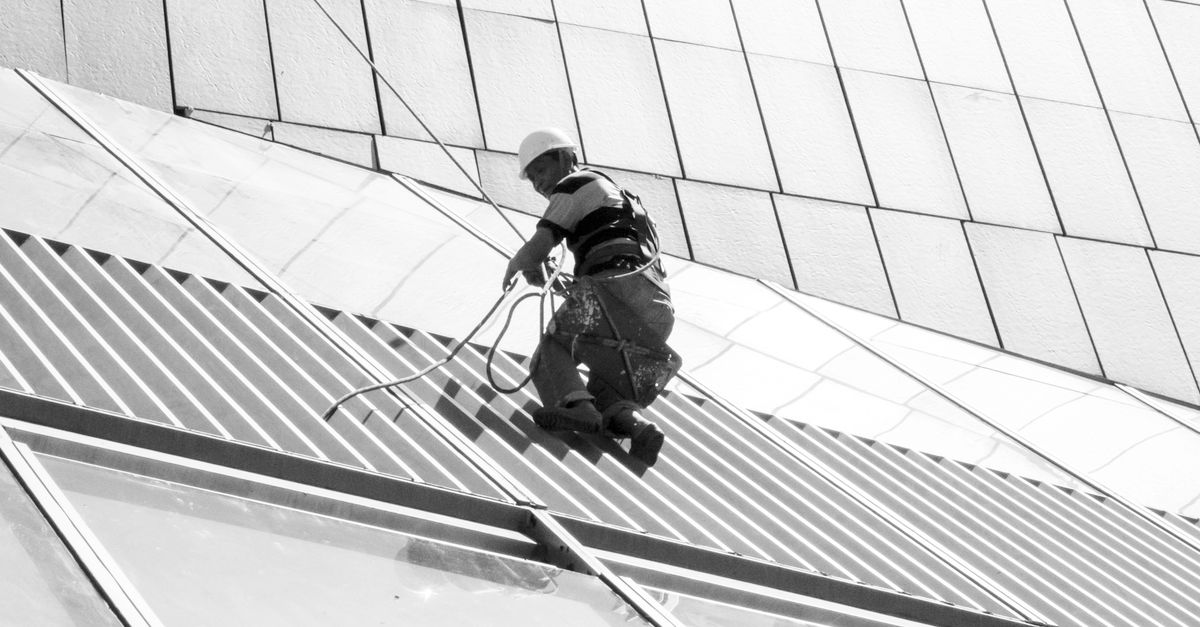
High-rise window cleaning presents unique challenges that necessitate robust risk mitigation strategies. Careful planning is vital prior to commencing any work at height. This includes conducting thorough site assessments to identify potential hazards, such as nearby power lines, falling debris, or unstable surfaces. Personal protective equipment (PPE) should be utilised consistently, including harnesses, helmets, and non-slip footwear. Regular maintenance checks on equipment also play a crucial role, ensuring that harnesses, ropes, and lifts are in optimal condition.
Communication between team members is essential throughout the cleaning process. Establishing clear protocols and signals reduces the likelihood of accidents caused by misunderstandings. Additionally, implementing a buddy system promotes a culture of safety, where workers support each other and can quickly respond to emergencies. Developing a comprehensive risk management plan that encompasses safety training, equipment checks, and emergency response procedures enhances overall safety for both workers and clients during window cleaning operations.
Best Practices for Safe Window Cleaning
The use of appropriate personal protective equipment (PPE) is essential during high-rise window cleaning. Harnesses, helmets, gloves, and non-slip footwear significantly reduce the risk of falls and injuries. Additionally, regular equipment checks ensure that all tools and safety gear are functioning correctly. This proactive approach fosters a safer working environment and contributes to the overall efficiency of the cleaning process.
Establishing clear communication protocols among team members enhances safety during operations. Workers should utilise radios or hand signals to convey important information while performing their tasks. Regular safety meetings can keep the team informed about specific risks associated with each site and reinforce the importance of adhering to safety standards. Tailoring these practices to the unique challenges of each building ensures that every cleaning operation minimises potential hazards.
The Role of Training in Safety
Training plays a crucial role in ensuring the safety of window cleaning teams operating at height. Proper training equips workers with the knowledge of risks associated with high-rise environments, including equipment handling and emergency response protocols. Regular training sessions can reinforce the importance of adherence to safety standards and regulations, minimising the chances of accidents. Furthermore, simulation exercises can help staff practise their skills in controlled environments, preparing them for actual scenarios they may encounter on the job.
Competent staff members are essential in recognising and mitigating potential hazards during window cleaning operations. Ongoing education and skill development lead to improved decision-making when faced with unexpected challenges. Assessments and certifications can also validate a worker's readiness to perform tasks safely. A well-trained workforce can significantly reduce liability for companies, cultivating a culture of safety that protects both employees and clients.
Ensuring Competence Among Window Cleaning Staff
Training and certification play crucial roles in establishing a competent workforce for high-rise window cleaning. Workers should undergo comprehensive training programs that cover safety protocols, equipment operation, and emergency procedures. Regularly updated workshops can enhance skills and ensure that staff are familiar with the latest industry standards. This proactive approach to training not only fosters a culture of safety but also helps workers to develop the problem-solving skills necessary to handle unexpected situations.
Assessment of skills is equally important in maintaining high standards of competence. Employers should implement assessment strategies that allow for regular evaluation of staff capabilities. On-site demonstrations and practical tests can help identify areas for improvement, ensuring that team members can perform tasks safely and effectively. By prioritising competence through continuous development and feedback, businesses can significantly reduce risks associated with high-rise window cleaning operations.
Customer Liability Considerations
In high-rise window cleaning, understanding customer liability is essential for both the service provider and the client. Liability can stem from various factors, including property damage and injury claims resulting from accidents during the cleaning process. Businesses must communicate clearly with clients about their responsibilities and potential risks involved. A well-defined service agreement can help set expectations on both sides, minimising misunderstandings.
Clients should also be aware of their own responsibilities concerning safety regulations and the condition of the building. For instance, inadequate access equipment or unsafe building features can heighten the risk of accidents. Therefore, clients should ensure that the environment is suitable for window cleaning and address any safety concerns before work commences. This proactive approach can protect clients from potential liability claims and ensure a smoother workflow for the cleaning team.
Protecting Clients During Window Cleaning Activities
Clients must be well-informed about the potential risks associated with high-rise window cleaning. Clear communication ensures they understand the safety measures being implemented. This includes detailing the equipment used and the protocols in place to protect both the workers and the clients' property. An awareness of these practices can foster trust and confidence in the service provided.
Implementing physical barriers is essential for safeguarding clients during cleaning activities. Erecting scaffolding or using safety nets around the work area prevents debris from falling and causing injuries or property damage. Regular risk assessments help identify new potential hazards that may arise throughout the cleaning process. Keeping clients updated about the scope of work and any potential disturbances can further enhance the overall safety experience.
FAQS
What are the main risks associated with high-rise window cleaning?
The main risks include falls from heights, accidents involving equipment, exposure to hazardous materials, and potential injuries to pedestrians or property below.
How can window cleaning companies mitigate these risks?
Companies can mitigate risks by implementing safety protocols, using appropriate equipment, conducting regular risk assessments, and ensuring all staff are well-trained in safety measures.
Why is training important for window cleaning staff?
Training is crucial as it ensures that staff are competent in using equipment safely, understanding safety protocols, and responding effectively to emergencies, ultimately reducing the likelihood of accidents.
What should clients consider regarding liability during window cleaning activities?
Clients should ensure that the window cleaning company has adequate insurance coverage, including public liability insurance, and they should clarify any contractual obligations related to safety and liability.
How can I verify the competence of a window cleaning company?
You can verify competence by checking their qualifications, asking for references, reviewing their safety records, and ensuring they comply with industry standards and regulations.
Related Links
The Role of Insurance in Protecting Against Property Damage ClaimsImportance of Equipment Insurance in Commercial Window Cleaning
Essential Documentation for Liability Claims in Window Cleaning
Liability Coverage Options for Eco-Friendly Window Cleaning Services
Evaluating Insurance Policies for Post-Construction Window Cleaning
The Impact of Worker’s Compensation Insurance on Window Cleaning Operations